Your home’s drains are designed to carry wastewater—not grease, garbage, cleaning debris, or anything else that happens to fit through the opening. Many serious drain clogs develop gradually as these materials collect inside the piping.
Knowing what not to put down your drains can help prevent backups, unpleasant odors, damaged piping, and emergency plumbing repairs.
What Should Never Go Down a Drain?
Keep dirty mop water and loose fibers, cooking grease, “flushable” wipes, paper products, hygiene products, coffee grounds, food scraps, paint, construction debris, harsh chemicals, hair, and dental floss out of household drains. Here is why each one causes trouble—and how to dispose of it more safely.
1. Dirty Mop Water and String-Mop Fibers
Never pour dirty mop water into a kitchen sink, bathroom sink, bathtub, shower, or floor drain.
Mop water may look harmless, but it can contain sand, dirt, pet hair, food particles, grease, and other debris collected from the floor. These materials can settle inside traps and drainpipes.
String mops create an additional problem. Their braided strands can fray and break loose while the mop is being used or emptied. The fibers may catch on drain fittings, pipe joints, traps, or rough areas inside older piping. Once caught, they act like a net, collecting hair, grease, soap residue, and other debris until the drain becomes restricted or completely clogged.
Allow debris to settle, strain solid material into the trash, and follow the cleaning-product manufacturer’s disposal instructions and local requirements. When permitted, the remaining strained liquid can generally be poured slowly into a toilet, which has a larger drain opening designed to carry waste. Never combine cleaning chemicals.
2. Cooking Grease, Oil, and Fat
Grease may be liquid when hot, but it cools, coats the inside of drainpipes, and traps other debris. Over time, this buildup can form a thick obstruction.
Keep these materials out of your drains:
Bacon grease
Cooking oil
Butter and shortening
Meat drippings
Gravy and oily sauces
Allow grease to cool, place it in a sealed container, and dispose of it in the trash.
3. “Flushable” Wipes
Even wipes labeled “flushable” do not break apart as quickly as toilet paper. They can remain intact long enough to become caught in a home’s sewer line, septic system, or municipal sewer system.
As a general plumbing rule, only human waste and toilet paper should be flushed.
4. Paper Towels and Hygiene Products
Paper towels and facial tissues are made to remain strong when wet. Feminine hygiene products, cotton swabs, diapers, and similar products can expand or remain intact after flushing.
These items belong in the trash—not the toilet.
5. Coffee Grounds and Food Scraps
Coffee grounds do not dissolve in water. They can settle inside traps and low sections of drain piping, where they combine with grease and soap residue.
A garbage disposal does not make every type of food safe for your plumbing. Scrape plates, pots, and cookware into the trash or compost before rinsing them in the sink.
6. Eggshells, Pasta, Rice, and Flour
Certain kitchen materials are especially troublesome inside drainpipes:
Eggshell fragments can catch and collect other debris.
Pasta and rice absorb water and expand.
Flour mixes with water and forms a sticky paste.
Fibrous vegetables can wrap around garbage-disposal components.
Compost these materials when appropriate or place them in the trash.
7. Paint, Mortar, Grout, and Construction Debris
Never wash paint, drywall compound, grout, mortar, concrete residue, or other construction debris into a drain.
These materials can settle and harden inside the piping. In severe cases, removing the blockage may require cutting out and replacing sections of drainpipe. Clean tools according to the manufacturer’s instructions and local disposal requirements.
8. Harsh Chemicals and Excessive Drain Cleaner
Chemical drain cleaners can damage some piping materials, harm septic systems, and create a dangerous situation for anyone who later opens or services the drain.
Repeated clogs often indicate an underlying plumbing problem, such as:
Hair combines with soap residue to form dense clogs in bathroom drains. Dental floss, mop fibers, strings, and similar materials can wrap around existing obstructions and trap even more debris.
Install drain screens in sinks, bathtubs, and showers, then empty them into the trash regularly.
Warning Signs of a Developing Drain Clog
Contact a plumber before the drain stops flowing completely if you notice:
Being careful about what enters your drains is one of the easiest ways to protect your plumbing system. If a drain is slow, gurgling, producing odors, or backing up repeatedly, do not wait until it stops flowing completely.
A drain that clogs once may have a simple blockage. A drain that keeps clogging is usually telling you that something deeper is happening inside the plumbing system.
Homeowners throughout New Iberia, Lafayette, Youngsville, Broussard, Franklin, Jeanerette, Abbeville, and the surrounding Acadiana area often ask the same questions: Why did the clog return? Does the line need to be snaked again? Would hydro jetting work better? Is the sewer pipe damaged? Do we need a camera inspection?
The correct answer depends on where the blockage is located, what is causing it, and the condition of the pipe. This guide explains how professional drain cleaning works, how to recognize a main sewer-line problem, and when cleaning should be followed by inspection or repair.
The quick answer
If the same drain keeps clogging, the usual causes include grease, hair, soap buildup, wipes, roots, improper pipe slope, a belly in the line, damaged piping, or a blockage that was opened but not fully removed. A cable machine may restore flow, while hydro jetting may be better for heavy buildup. Repeated backups often justify a sewer-camera inspection once the line is open enough to view.
What we will cover
How to tell a fixture clog from a main sewer-line clog
The most common reasons drains keep stopping up
Drain snaking versus hydro jetting
Why sewer cleanouts matter
When a camera inspection is recommended
When cleaning is no longer enough
How to reduce future clogs
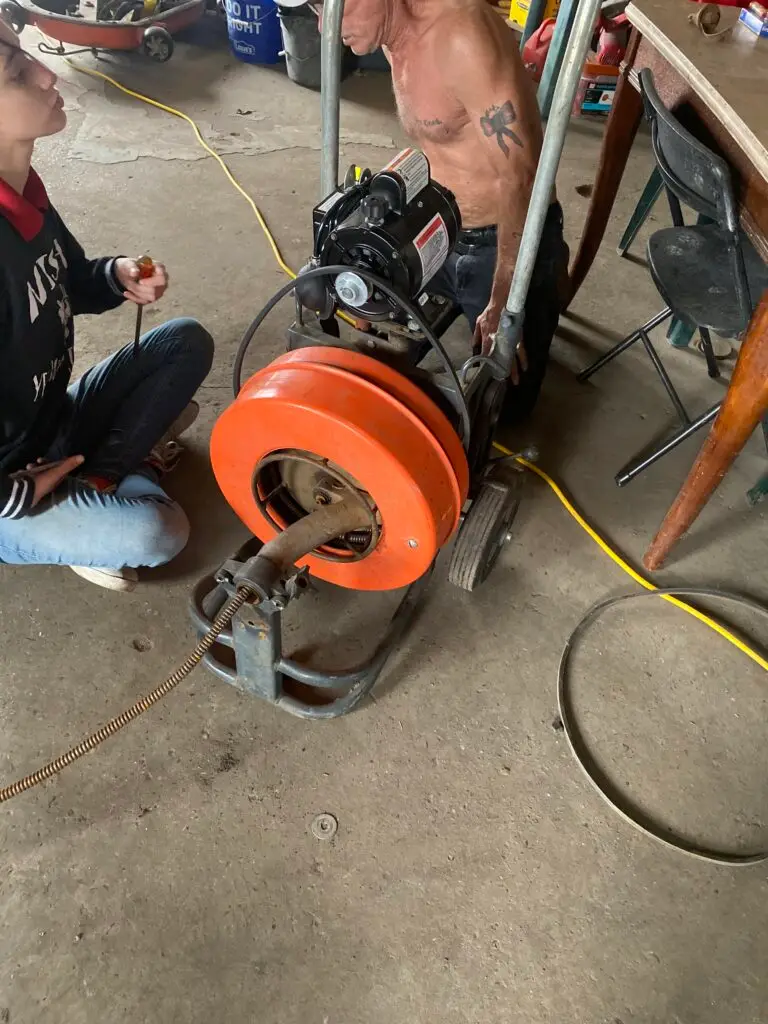
Professional sewer jetting equipment used to clear and clean drain and sewer lines across Acadiana.
Is the clog in one fixture or the main sewer line?
The first step is determining whether the problem affects one fixture, one branch drain, or the building’s main sewer line.
Signs of a localized fixture or branch-drain clog
Only one sink, tub, shower, or toilet is affected
Nearby fixtures continue draining normally
The problem developed gradually
Water drains slowly but does not affect fixtures in another room
The blockage is close to the fixture trap or branch connection
Signs of a main sewer-line clog
Several drains become slow at the same time
A toilet bubbles when a sink, tub, or washing machine drains
Water rises in a bathtub or shower when a toilet is flushed
Sewage appears at a floor drain or low fixture
The cleanout overflows outside
The entire home stops draining properly
The blockage returns soon after the line was cleared
When multiple fixtures react together, stop using water as much as possible. Continued flushing, washing, or running appliances can push more wastewater into a blocked system and cause an indoor overflow.
Why does the same drain keep clogging?
1. Hair, soap, and personal-care products
Bathroom drains commonly collect hair, soap residue, toothpaste, shaving products, and other material. A cable can break through the blockage and remove a portion of it, but heavy buildup along the pipe walls may remain. That leftover material catches more debris and allows the clog to return.
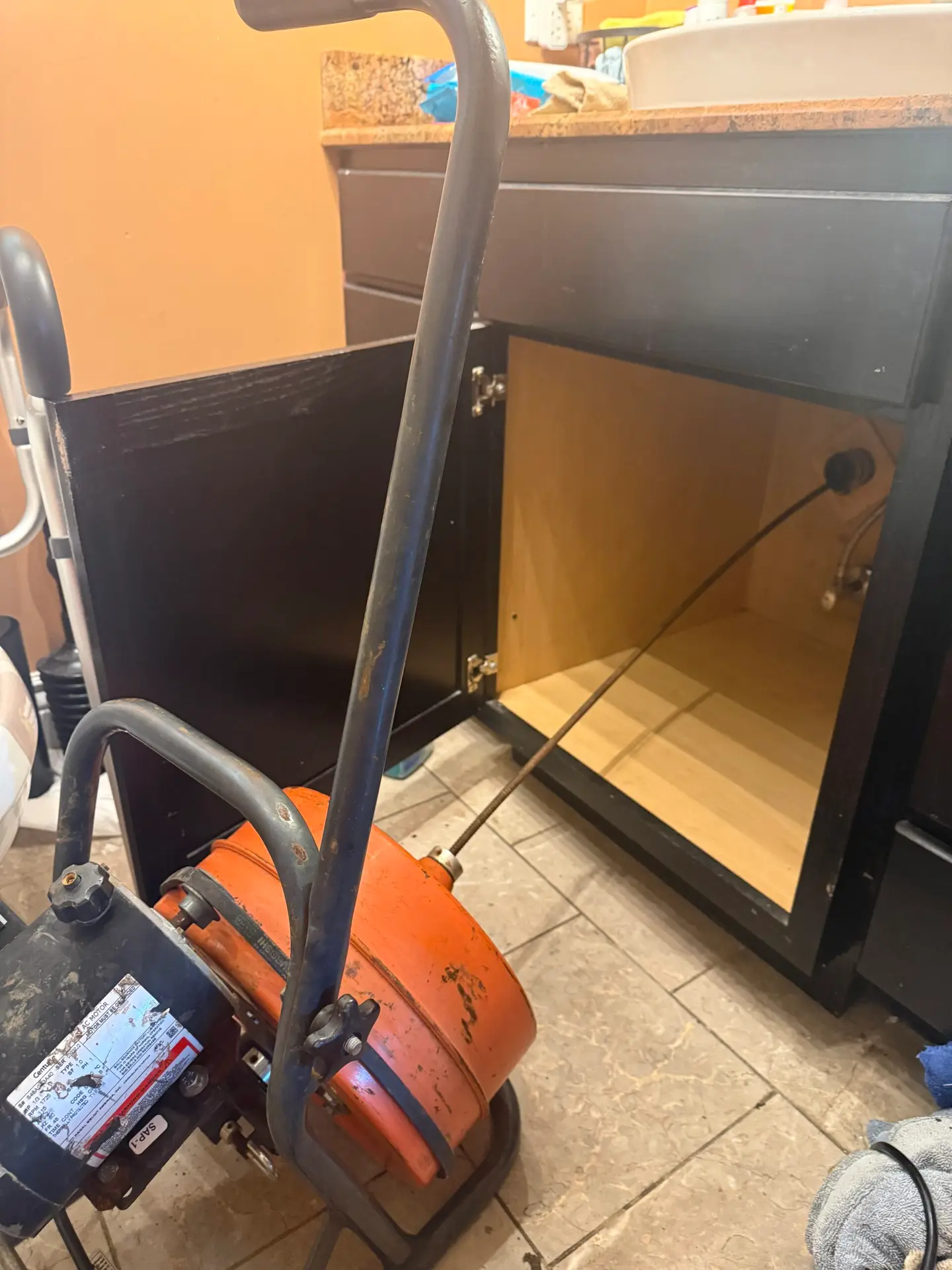
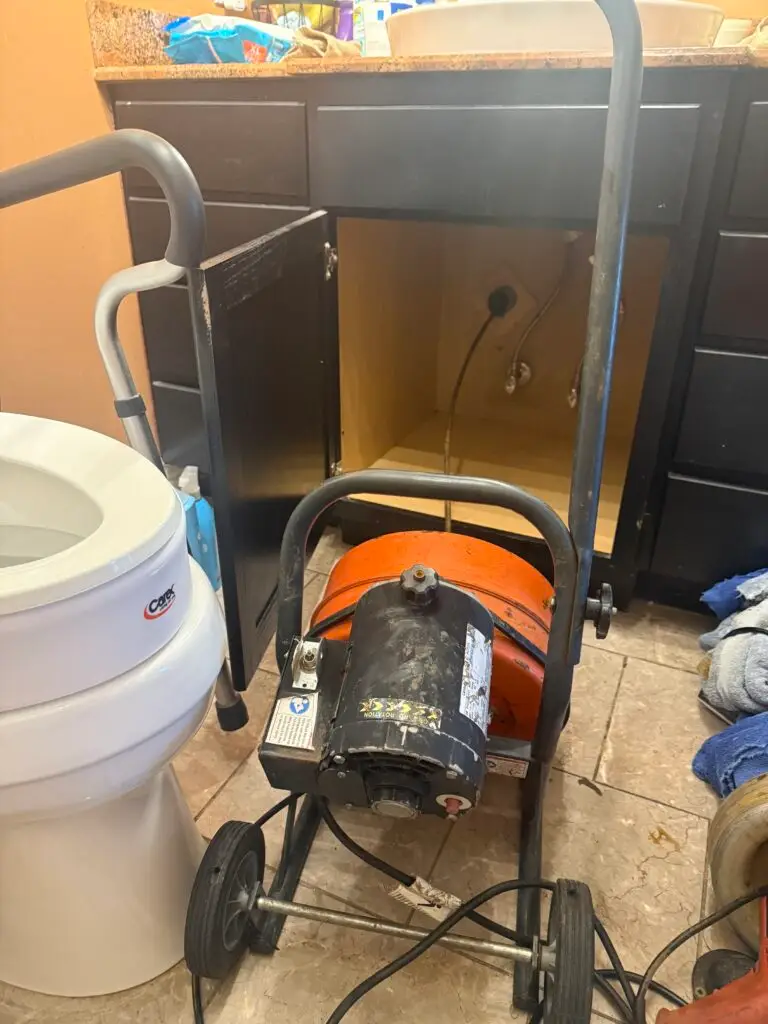
A professional cable machine clearing a clogged bathroom sink drain in Franklin, Louisiana.
2. Grease and food buildup in kitchen drains
Cooking grease may enter the drain as a warm liquid, but it cools and sticks to the inside of the pipe. Food particles, detergent residue, and other debris collect on that layer. Over time, the usable opening becomes smaller until the sink drains slowly or stops completely.
Running hot water after pouring grease into a sink does not guarantee that it will travel safely through the entire system. It may simply move farther down the line before cooling and hardening.
3. Wipes and products labeled “flushable”
Many wipes do not break apart like toilet paper. They can catch on rough piping, roots, fittings, or other debris and form a larger blockage. Paper towels, feminine products, diapers, dental floss, cotton swabs, and similar items should also stay out of toilets and drains.
4. Tree-root intrusion
Roots seek moisture and can enter through cracks, separated joints, or deteriorated sewer piping. A cable may cut an opening through roots and restore flow, but the roots can grow back because the pipe defect remains. Recurring root stoppages often require camera inspection and a discussion about repair or replacement.
5. Improper slope or a belly in the line
Drain piping needs proper slope so wastewater carries solids through the system. A section that is too flat, back-pitched, or sagging can hold water and waste. Cleaning may temporarily restore flow, but the same low area continues collecting debris.
6. Broken, offset, crushed, or deteriorated piping
A cleaning machine cannot permanently correct a collapsed pipe, separated joint, severe offset, or badly deteriorated sewer. It may open a temporary path through the obstruction, but reliable drainage usually requires repairing the failed section.
7. The line was opened but not fully cleaned
There is a difference between restoring flow and thoroughly cleaning a pipe. A small opening through grease, sludge, roots, or scale may allow water to pass again. If substantial buildup remains, the line can stop up again quickly. The correct cleaning method depends on the blockage and pipe condition.
What is drain snaking?
Drain snaking uses a flexible cable and an appropriate cutting or retrieving head to travel through a drain. The machine can break through obstructions, retrieve certain materials, and restore flow. Different machines and cables are used for small fixture drains and larger sewer lines.
An alternate view of professional drain snaking for a clogged bathroom sink in Franklin.
Drain snaking is often appropriate for:
Hair clogs in bathroom sinks, tubs, and showers
Localized fixture stoppages
Soft obstructions that can be broken apart or retrieved
Opening a sewer line so it can be tested or inspected
Some root blockages when the proper cutting head is used
The goal is not simply to force a cable into the pipe. Cable size, machine size, cutter selection, access point, pipe diameter, and pipe condition all matter.
Professional sewer-cleaning equipment maintained and ready for main-line drain service in New Iberia.
What is hydro jetting?
Hydro jetting uses high-pressure water delivered through a specialized hose and nozzle. The rear-facing jets help pull the hose through the line while cleaning material from the pipe walls and moving debris toward an exit or larger downstream pipe.
Hydro jetting may be helpful for:
Heavy grease accumulation
Sludge and soft deposits along pipe walls
Commercial kitchen drain buildup
Recurring main-line blockages caused by debris
Cleaning after a cable has opened a passage
Preparing a line for a clearer camera inspection
Is hydro jetting always better than snaking?
No. Hydro jetting and drain snaking solve different problems. A cable may be the right first step for a tight fixture drain, a solid obstruction, or a line that must be opened before further evaluation. Hydro jetting may be better when the main problem is widespread grease, sludge, or pipe-wall buildup.
Hydro jetting should not be used blindly on every sewer. Fragile, collapsed, severely deteriorated, or improperly connected piping may need inspection and repair instead. A professional should consider the pipe material, condition, access, diameter, and likely cause before selecting pressure, flow, nozzle, and cleaning method.
Why a sewer cleanout matters
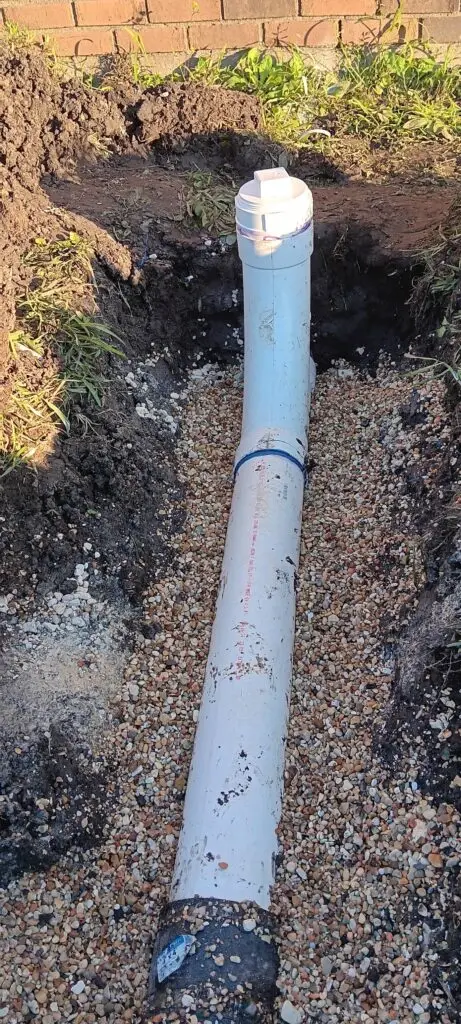
A cleanout is an accessible opening into the drainage system. A properly located cleanout can make it safer and more practical to service the main sewer line. It can also provide access for a camera inspection, cable machine, or jetter without removing a toilet or using a less suitable opening.
A new sewer cleanout provides safer, easier access for future main-line cleaning and inspection.
A missing, buried, broken, or poorly located cleanout can make sewer service more difficult. Installing or correcting a cleanout may be a worthwhile improvement for a property with recurring main-line problems.
When should a sewer-camera inspection be performed?
A sewer camera is used to inspect the inside of an accessible drain or sewer line. It can help identify roots, cracks, separated joints, offsets, standing water, bellies, deterioration, foreign objects, and other visible conditions.
For the clearest result, the line often needs to be open and reasonably clean first. A camera cannot see through dark water, heavy sludge, or a solid blockage. That is why drain cleaning and camera inspection are often separate steps that work together.
A camera inspection is especially useful when:
The same sewer line repeatedly clogs
Roots are removed from the line
The cable repeatedly stops at the same distance
The property has older sewer piping
There is evidence of a belly, break, or offset
A repair location needs to be confirmed
The owner wants to understand why the blockage returned
Recurring kitchen clogs may be a piping problem
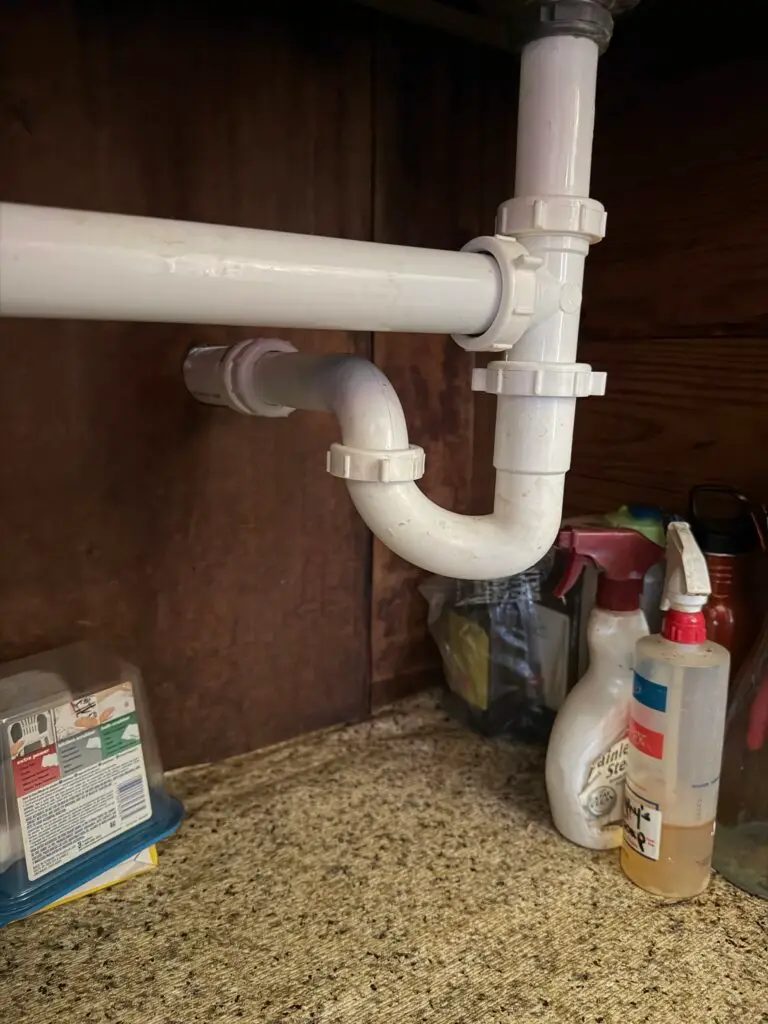
Kitchen drains are vulnerable to grease, food debris, and detergent residue. However, repeated kitchen clogs are not always caused by what enters the sink. Improper slope, an unnecessary fitting, a sagging section, undersized piping, or a poorly arranged drain can contribute to recurring buildup.
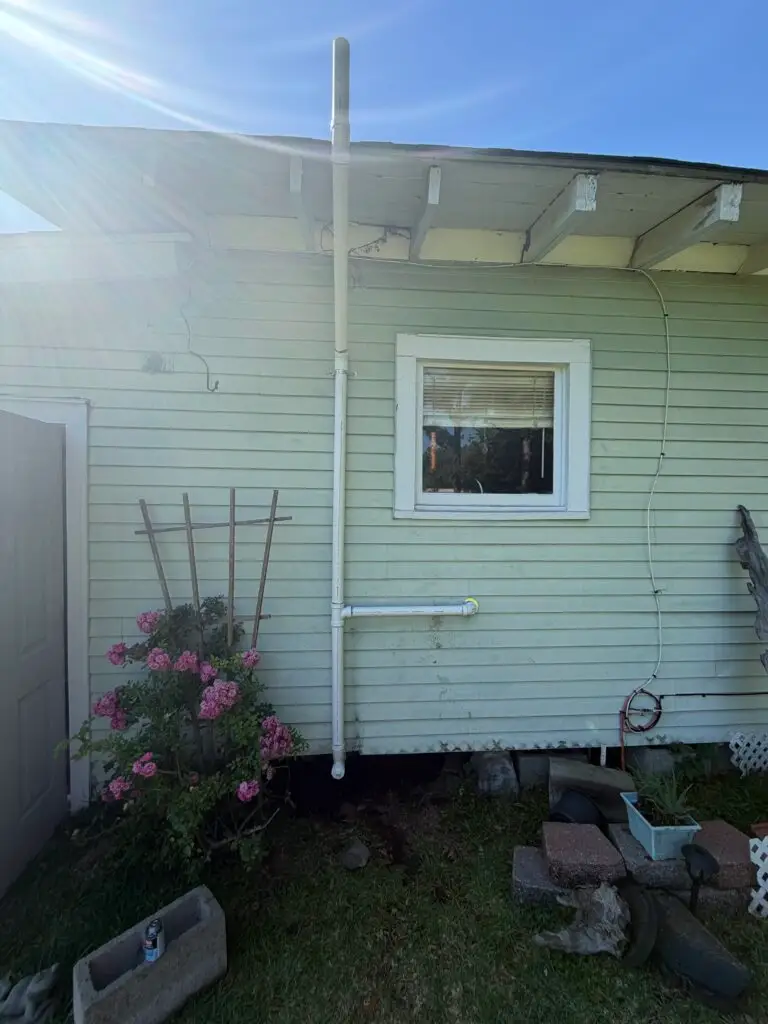
A kitchen sink drain line replaced after improper slope and grease buildup caused recurring drainage problems.
In this New Iberia project, the solution involved correcting the drain piping rather than repeatedly clearing the same problem. Once the defective arrangement was replaced, the new line could carry wastewater more reliably.
Completed kitchen drain piping after correcting the line for dependable drainage.
When drain cleaning is not enough
Drain cleaning removes or breaks through obstructions. It does not rebuild a failed pipe. If an inspection confirms a damaged section, repair may be the only dependable way to stop the recurring problem.
Signs the sewer may need repair
The line clogs repeatedly at the same location
Roots return quickly after cutting
The camera shows a break, offset, collapse, or severe deterioration
Standing water remains because of a belly or poor slope
Sewage or wastewater appears in the yard
The pipe cannot be cleaned safely or completely
The sewer machine cannot pass a damaged section
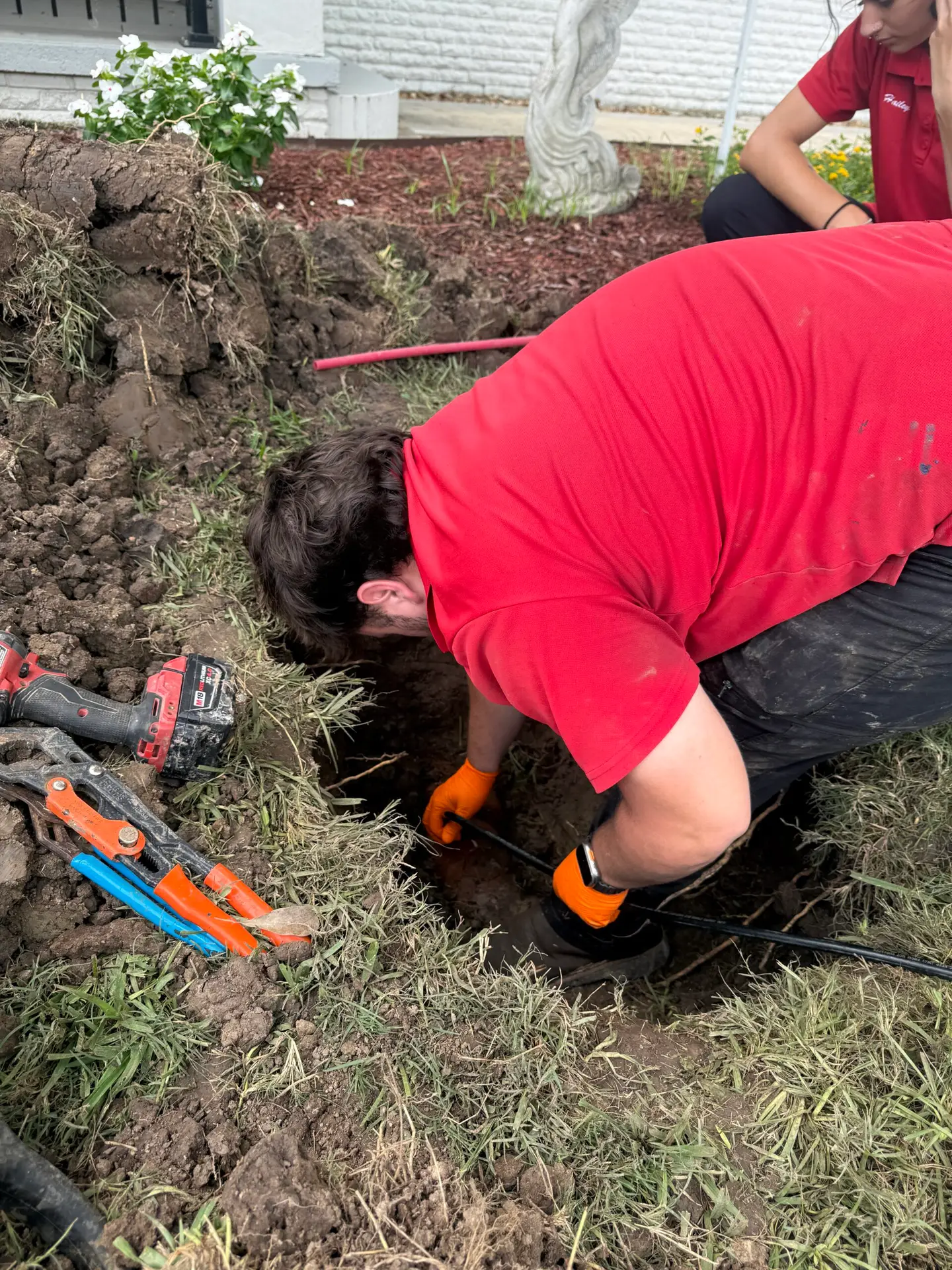
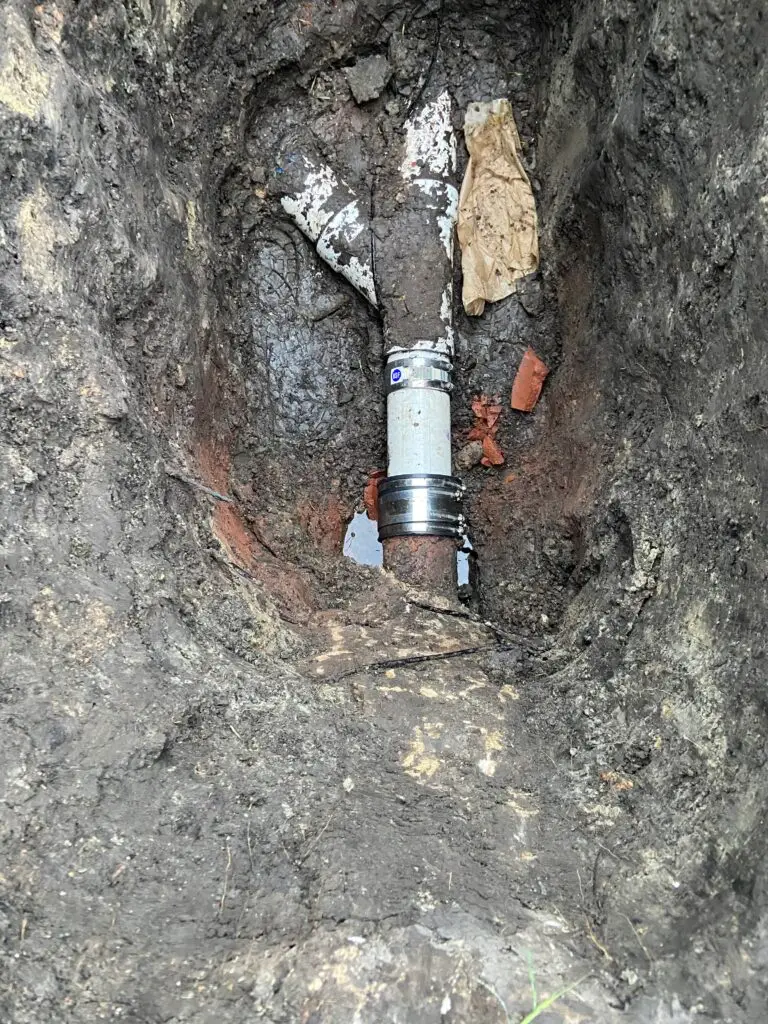
A damaged section of sewer main exposed for a targeted spot repair in New Iberia.
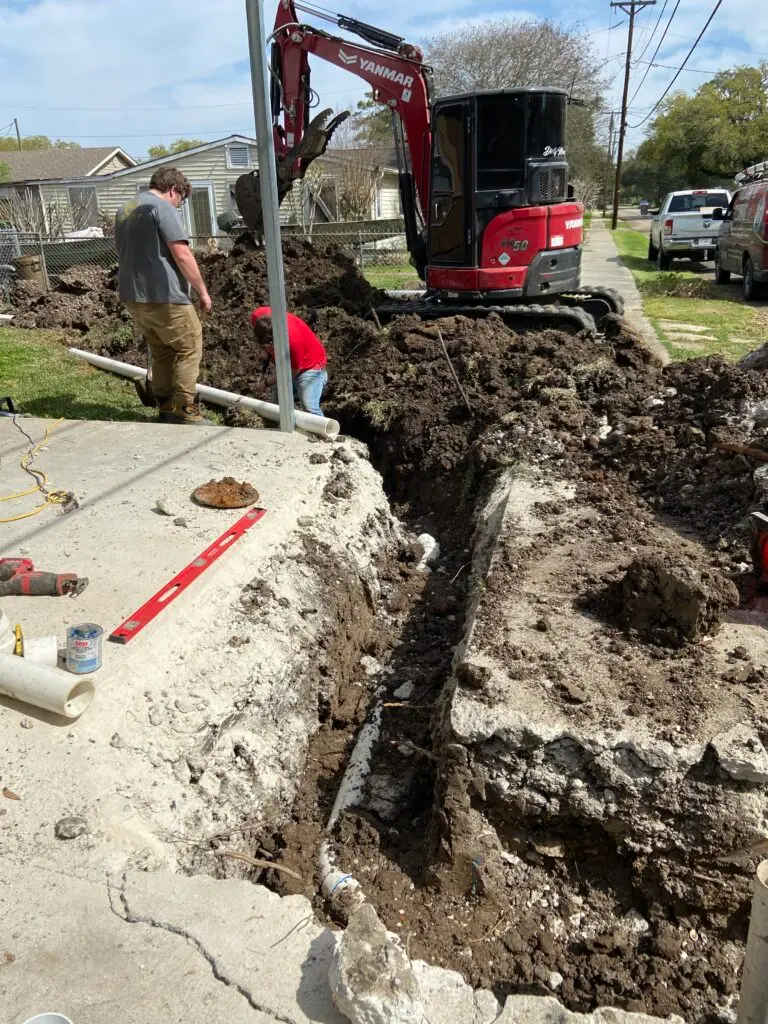
A localized defect may qualify for a spot repair. Widespread failure, multiple bad sections, severe deterioration, or an improperly installed line may justify replacing a longer section.
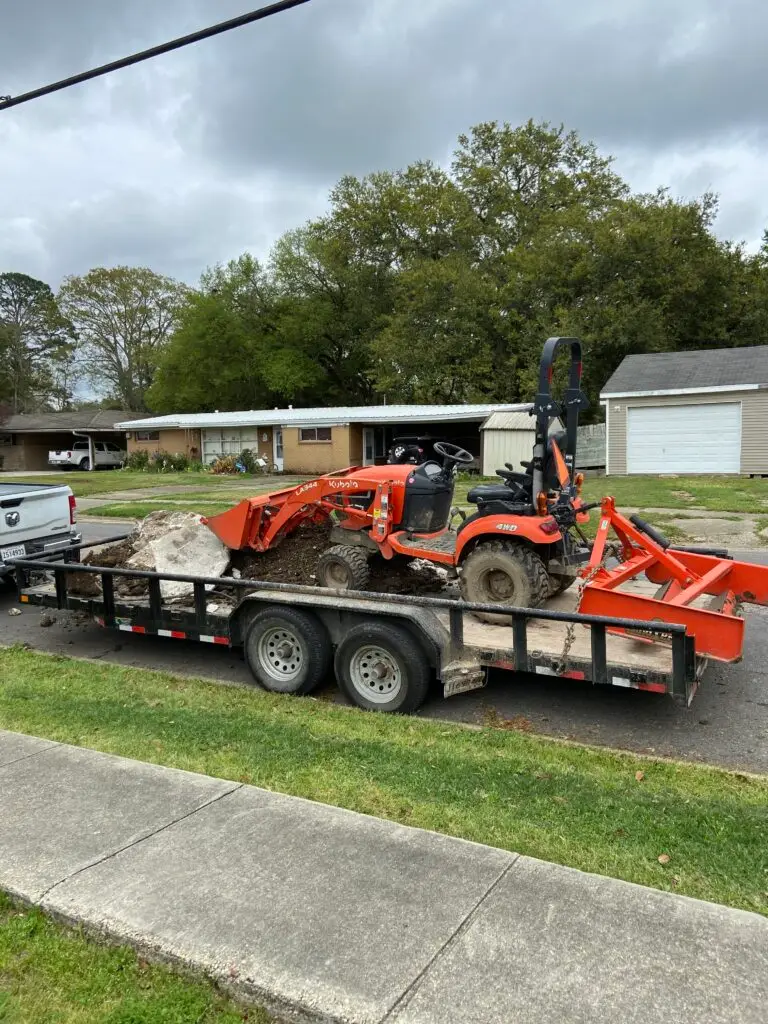
Sewer-line excavation after the problem required more than routine drain cleaning.New sewer piping installed after the failed section was removed and replaced.
Can heavy rain cause a sewer backup?
Heavy rain does not create every sewer blockage, but it can expose an existing weakness. Damaged piping, open cleanouts, poor connections, saturated soil, or excessive stormwater entering the wastewater system can contribute to slow drainage or backups. A line that only struggles during wet weather still deserves evaluation because the rainfall may be revealing a defect rather than causing the entire problem by itself.
Are chemical drain cleaners safe?
Chemical drain cleaners may not remove the actual cause of a recurring stoppage. They can remain trapped above a blockage, create a hazard for the homeowner or plumber, damage some finishes and components, and complicate mechanical cleaning. Mixing different drain chemicals is especially dangerous.
For a simple slow drain, removing accessible hair and cleaning the stopper may help. For a complete stoppage, repeated clog, sewage backup, or multiple affected fixtures, professional diagnosis is usually the safer approach.
How much does professional drain cleaning cost?
The price depends on the type of drain, access, pipe size, blockage location, severity, equipment required, whether a cleanout is available, and whether camera inspection or hydro jetting is recommended. A small bathroom-sink clog is a different job from a buried main sewer line filled with roots or grease.
A professional evaluation should explain the proposed method and price before additional work begins. When a blockage is only a symptom of damaged piping, repair should be discussed separately from the initial cleaning.
How to reduce future drain clogs
Keep grease, cooking oil, and food scraps out of kitchen drains
Use strainers in sinks, tubs, and showers
Flush only toilet paper and human waste
Do not treat wipes as safe for sewer systems
Clean hair from stoppers before it enters the branch line
Repair leaking fixtures that continually feed water into a slow drain
Keep sewer cleanout caps intact and accessible
Investigate recurring clogs instead of repeatedly treating the symptom
Consider preventive cleaning when a line has a known history of grease or roots
Frequently asked drain-cleaning questions
Why do all my drains back up at the same time?
This usually points to a blockage or restriction in the main sewer line rather than several unrelated fixture clogs. Stop using water and have the system evaluated before it overflows at the lowest drain.
Why does my toilet bubble when the washing machine drains?
Air and wastewater may be struggling to move through a restricted drain or sewer line. The discharge from the washing machine can push air toward the toilet, causing bubbles or changes in the bowl level.
Will snaking permanently fix a clogged sewer?
It can permanently resolve a removable blockage, but it cannot repair broken piping, eliminate an improper slope, or prevent roots from reentering through a damaged joint. Recurring clogs may need inspection after flow is restored.
Is hydro jetting better for grease?
Hydro jetting is often effective for widespread grease and soft buildup because water cleans more of the pipe wall. The line should still be evaluated to confirm that jetting is suitable for its material and condition.
Do I need a sewer camera every time a drain is cleaned?
Not always. A first-time fixture clog may not justify inspection. A recurring main-line stoppage, root blockage, or cable that repeatedly stops at the same location is a stronger reason to inspect the line.
Can a sewer camera see through standing water?
No. The camera can only show what is visible in front of the lens. A line may need to be opened and cleaned before the camera can provide useful information.
Can tree roots come back after sewer cleaning?
Yes. Cutting roots restores space inside the pipe, but the opening that allowed the roots to enter may remain. Camera inspection can help determine whether repair is appropriate.
Why does sewage come up in my bathtub?
The bathtub or shower is often one of the lowest openings in the home. When the main sewer is blocked, wastewater may rise through that fixture instead of leaving the building.
Can a cleanout be added to an existing sewer line?
Often, yes. The location and installation method depend on the existing piping and property. A properly installed cleanout can improve future access for cleaning and inspection.
When should a clogged drain be treated as urgent?
Act quickly when sewage is entering the home, multiple fixtures are backing up, the cleanout is overflowing, or continued water use could damage flooring, walls, cabinets, or belongings.
Drain and sewer service across Acadiana
Michael B Plumbing provides professional drain cleaning, sewer cleaning, hydro jetting, camera and locating services, cleanout installation, and sewer-line repair for homeowners and businesses throughout Acadiana. Our service area includes New Iberia, Lafayette, Youngsville, Broussard, Franklin, Jeanerette, Abbeville, St. Martinville, Breaux Bridge, Maurice, and surrounding communities.
Schedule an evaluation before the blockage causes another overflow. We will determine whether the problem calls for fixture-drain cleaning, main-line snaking, hydro jetting, camera inspection, cleanout work, or sewer repair.